
Essential Safety Tips for Expats, Digital Nomads & Professionals
Argentina is one of South America’s most compelling destinations, offering world-class cultural hubs like Buenos Aires, renowned wine regions in Mendoza, and breathtaking natural landscapes across Patagonia. While the vast majority of visits are trouble-free, maintaining practical safety awareness is essential for a secure and seamless experience.
Overview of Safety Guidance
- Target Demographic: Designed specifically for tourists, expatriates, digital nomads, retirees, and corporate travelers planning short-term stays or long-term relocation.
- Primary Security Risks: Highlights precautions against opportunistic property crime such as mobile phone theft, pickpocketing, and bag snatching predominantly found in high-density tourist districts, transit hubs, and crowded public spaces.
- Proactive Prevention Strategy: Emphasizes simple, actionable precautions, including maintaining active situational awareness, securing high-value assets, and relying on trusted transportation options.
- Comprehensive Regional Scope: Delivers practical risk-minimization protocols tailored for navigating major urban centers, national parks, and high-profile regional destinations throughout the country.
Key Risk Factors & Local Dynamics
The primary safety concerns for visitors to Argentina involve opportunistic petty crime, particularly in major urban centers and high-density tourist districts.
- Common Urban Risks: Pickpocketing, purse snatching, and rapid smartphone theft are the most frequently reported incidents.
- High-Risk Zones: Public transport hubs, crowded metro systems (Subte), outdoor markets, and popular tourist thoroughfares require elevated situational awareness.
- Distraction Schemes: Perpetrators occasionally use artificial distractions such as accidentally spilling liquid on a target or offering unsolicited help to divert attention while an accomplice takes personal belongings.
Practical Safety Recommendations
Core Rule: Maintaining basic situational awareness and keeping high-value items out of plain sight drastically reduces the risk of opportunist crime.
1. Personal Asset Protection
- Keep high-value electronics, jewelry, and luxury watches concealed when walking in public areas.
- Secure smartphones when sitting outside at cafes or using them near public transit doors, where quick snatch-and-grab thefts can occur.
- Carry only essential cash and cards; store backup credit cards, passports, and extra currency in a secure hotel safe.
2. Transportation Protocols
- Taxis & Rideshares: Use registered radio-taxis (booked via phone or official app) or established rideshare applications rather than hailing unmarked street cabs late at night.
- Public Transit: Keep backpacks pushed to your front and hold purses closely when traveling on crowded buses (colectivos) or the metro.
3. Expatriate & Extended-Stay Considerations
- Neighborhood Research: Before securing long-term accommodations in cities like Buenos Aires, Córdoba, or Rosario, consult with local contacts regarding safe residential zones.
- Emergency Contacts: Save emergency numbers, local police contact details, and embassy addresses on your device for quick access.
A Security Guide for Travelers and Expatriates in Argentina
If you’re planning to relocate to Argentina or spend an extended period there as an expat, understanding the country’s safety landscape should be part of your preparation. While Argentina is considered one of the safer destinations in South America, petty crimes such as pickpocketing, bag snatching, and smartphone theft can occur, particularly in busy urban centers like Buenos Aires, Córdoba, and Rosario. Staying vigilant in crowded areas, securing your valuables, and following sensible travel precautions can significantly reduce your risk and help ensure a safe, enjoyable, and worry-free experience. The key hotspots for these activities include:-
1. Buenos Aires
Petty crime is prevalent across several major neighborhoods, including Palermo, San Telmo, and La Boca.
- La Boca: While relatively secure during peak daylight hours in tourist zones, risk levels increase significantly after dark.
- Cafes & Dining Venues: Exercise caution in outdoor seating areas. Perpetrators frequently employ distraction tactics or target unattended personal items left on tables, chair backs, or the floor.
2. Córdoba
As Argentina’s second-largest city, Córdoba maintains a generally stable security environment. However, heightened awareness is recommended in crowded commercial areas and around the university district.
3. Rosario
Rosario experiences elevated rates of serious crime, largely linked to localized narcotics trafficking. Consequently, it requires greater precautionary measures and receives fewer international visitors compared to other major cities. Some safety tips to protect your belongings include:-
- Optimize Cash Management: Given the cash-centric nature of the local economy, travelers often carry larger amounts of cash. Avoid carrying excessive funds; instead, divide cash across multiple secure locations (e.g., concealed pockets, travel pouches, and hotel safes).
- Maintain Vigilance in Transit Areas: Remain alert in public transportation hubs, train stations, and crowded pedestrian areas where rapid snatch-and-grab thefts are most common.
- Utilize Vetted Transportation: Avoid hailing unbooked street cabs at night. Rely on established ride-hailing applications (such as Uber) or registered radio-taxis, especially when leaving dining, nightlife, or entertainment venues after dark.

Safety Guidelines for Argentina’s National Parks
Argentina’s national parks showcase some of the world’s most spectacular natural landscapes. However, exploring these remote environments presents distinct operational and environmental risks. Limited mobile coverage, scarce emergency infrastructure, and rapidly shifting weather patterns require thorough planning and proactive management.
Regional Logistics & Environmental Hazards
1. Remote Logistics & Connectivity
Cellular service is often absent or unreliable in rural and wilderness regions, such as Tierra del Fuego National Park (Ushuaia) or the backcountry trails of El Chaltén.
- Travelers must arrange all transit and return logistics before departure.
- Do not rely on real-time ride-hailing or cellular connectivity to request transport from park entry/exit points.
2. Microclimates & Seasonal Threats
Conditions in destinations like Los Cardones National Park (Salta) or the High Andes can change precipitously:-
- Summer Months: Extreme heat, flash flooding, mudslides, and elevated risk of wildfires (particularly in the Bariloche and Córdoba regions).
- Winter/High-Altitude: Rapidly dropping temperatures, high winds, and snow-related hazards.
Essential Wilderness Protocols
1. Advanced Planning & Communication
- File an Itinerary: Leave a detailed route plan, expected timeline, and return confirmation strategy with a reliable contact, local host, or park ranger station.
- Verify Permits & Regulations: Obtain necessary trekking or backcountry camping permits before entering restricted zones, particularly within Andean park systems.
- Identify Emergency Contacts: Research and document regional ranger and emergency service numbers in advance, as general emergency services may vary by province.
2. Equipment & Power Management
- Sustaining Supplies: Carry adequate water purification tools, high-density rations, sun protection, and a wilderness-focused first-aid kit.
- Power Reserves: Bring high-capacity external battery packs. For high-risk or off-grid routes, carry dedicated satellite messengers or personal locator beacons (PLBs).
3. Wildlife Safety (Puma Protocol)
Puma encounters are rare but possible in specific park regions:-
- Actions: Maintain composure; do not run or turn your back.
- Deterrence: Stand tall, raise your arms or hold clothing overhead to appear larger, and maintain eye contact while slowly backing away. Keep children close.
4. Fire Mitigation & Preparedness
During periods of high fire danger:-
- Adhere strictly to park regulations regarding open flames and camping stoves.
- Identify official evacuation routes and note the location of firebreaks or water bodies upon arrival.

Travel Safety Guidelines for Women and LGBTQIA+ Travelers in Argentina
Argentina is recognized as one of the most progressive and welcoming destinations in Latin America. Major urban centers offer robust legal protections, dedicated public safety initiatives, and thriving inclusive spaces.
However, navigating safety effectively requires an understanding of local societal dynamics, available emergency resources, and regional differences in social attitudes.
Argentina’s Best Destinations: Our Expert Shortlist
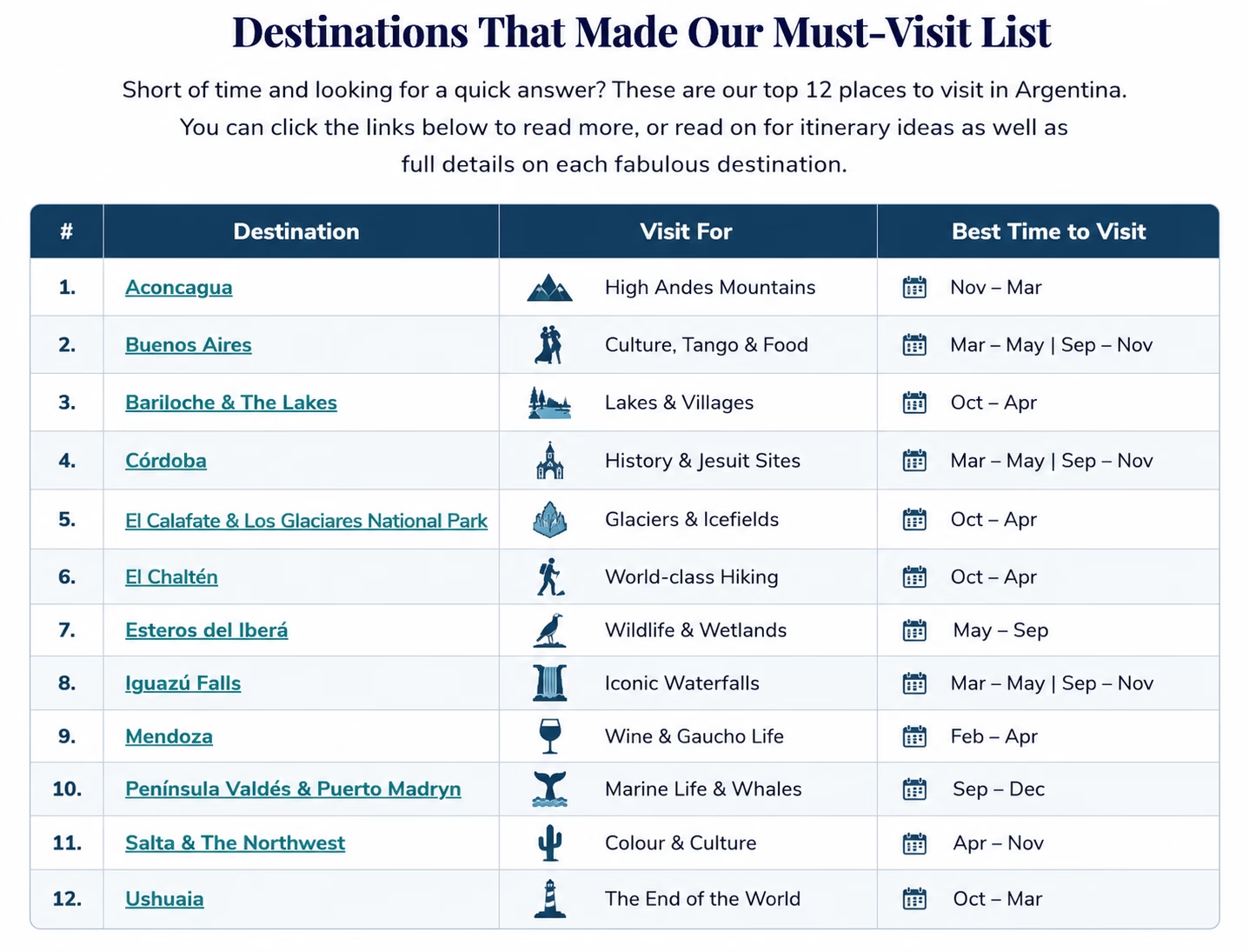
Argentina is a country of remarkable diversity, offering far more than its famous Patagonian landscapes. From vibrant cities and world-class wine regions to breathtaking waterfalls, glaciers, mountains, and wildlife reserves, every destination has something unique to offer. This curated guide highlights some of Argentina’s top places to visit, helping you plan an unforgettable journey based on.
1. Aconcagua
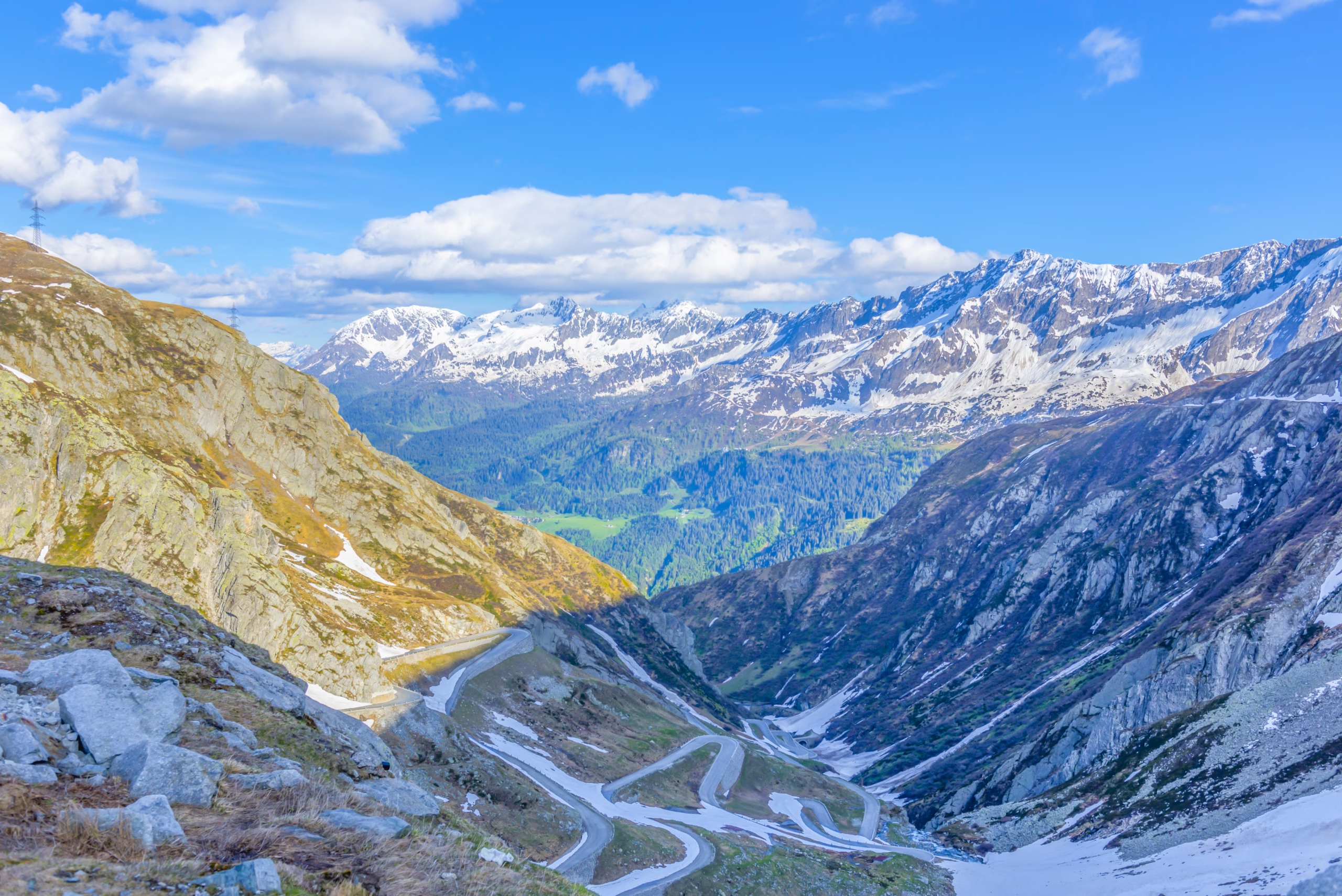
Towering at 6,961 metres, Aconcagua is the highest peak in Argentina, South America, and the Western Hemisphere. Even if you’re not planning to climb it, the surrounding Andes offer breathtaking scenery, scenic drives, and rewarding hiking opportunities. Located within easy reach of Mendoza, it’s an excellent destination for travellers seeking dramatic mountain landscapes, panoramic viewpoints, and an unforgettable taste of the high Andes.
2. Buenos Aires
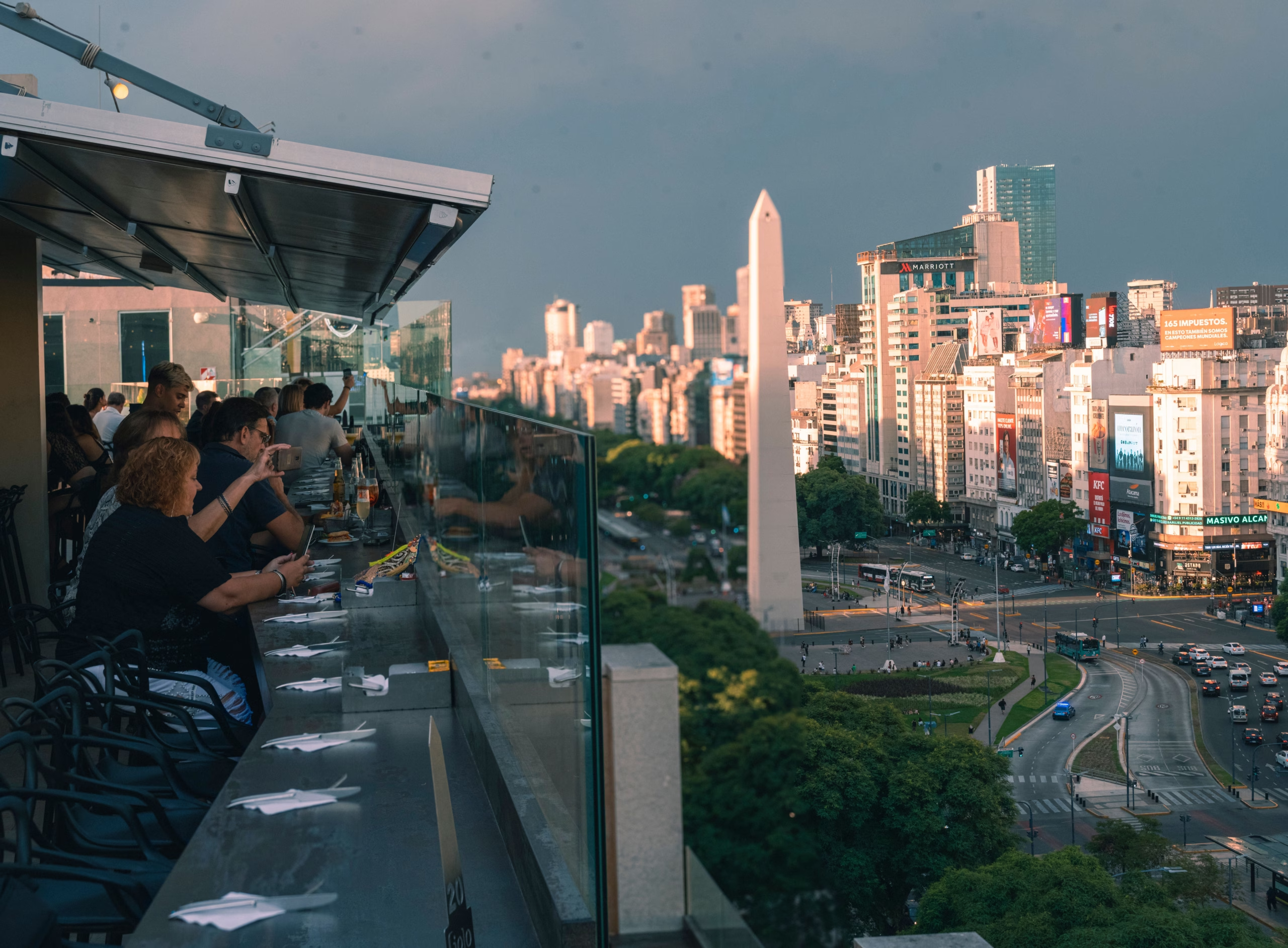
Argentina’s vibrant capital blends European architecture, rich history, world-class cuisine, and the passion of tango into an unforgettable city experience. With its distinctive neighbourhoods, cultural attractions, and lively atmosphere, Buenos Aires is far more than a gateway it’s a destination that deserves several days of exploration.
3. Bariloche, The Lake District & San Martín de los Andes
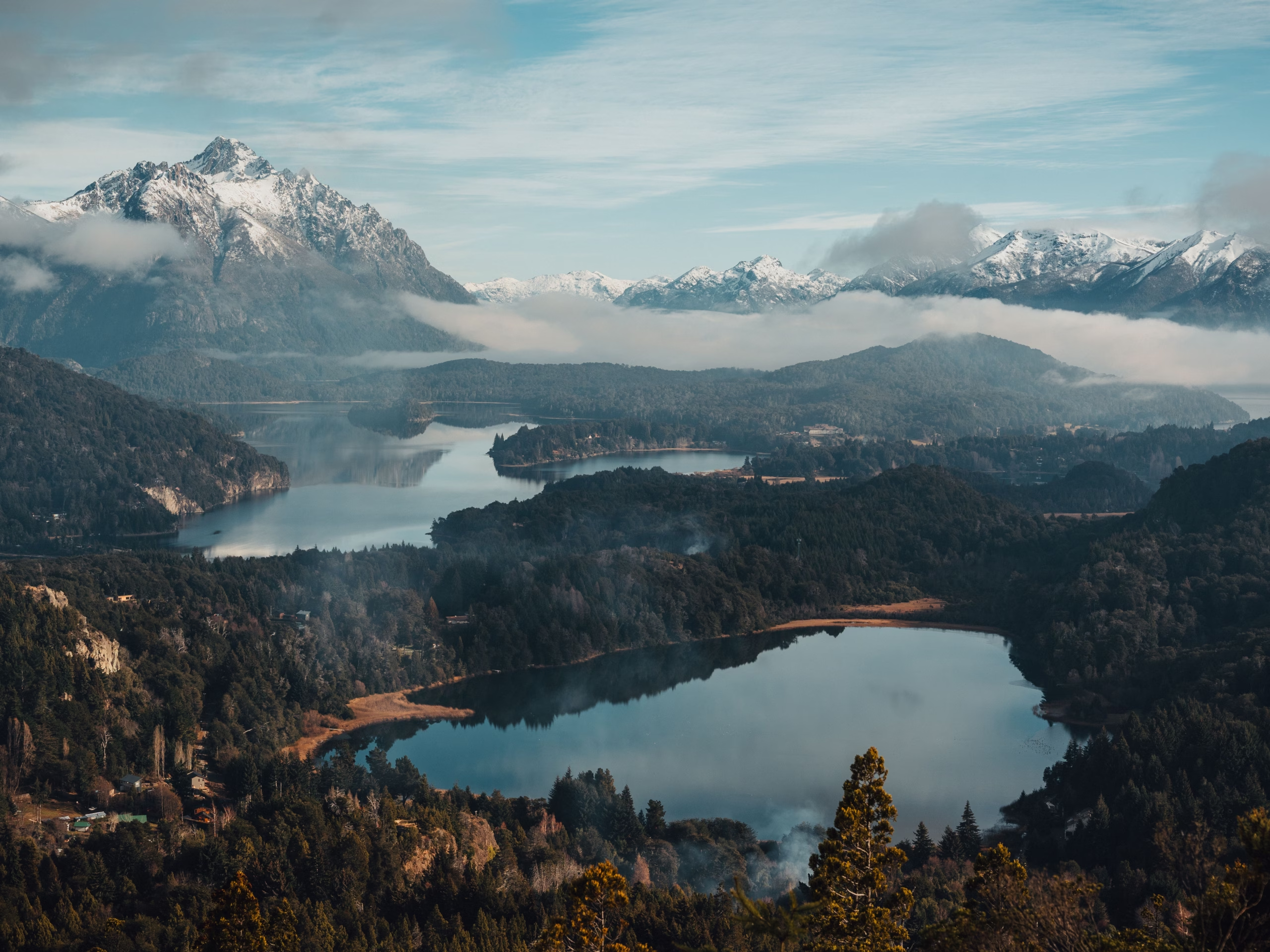
Nestled among crystal-clear lakes, forests, and snow-capped Andes peaks, Argentina’s Lake District is a paradise for outdoor enthusiasts. Whether you’re hiking, driving the scenic Seven Lakes Route, or enjoying winter sports, this region offers some of Patagonia’s most picturesque landscapes.
4. Córdoba
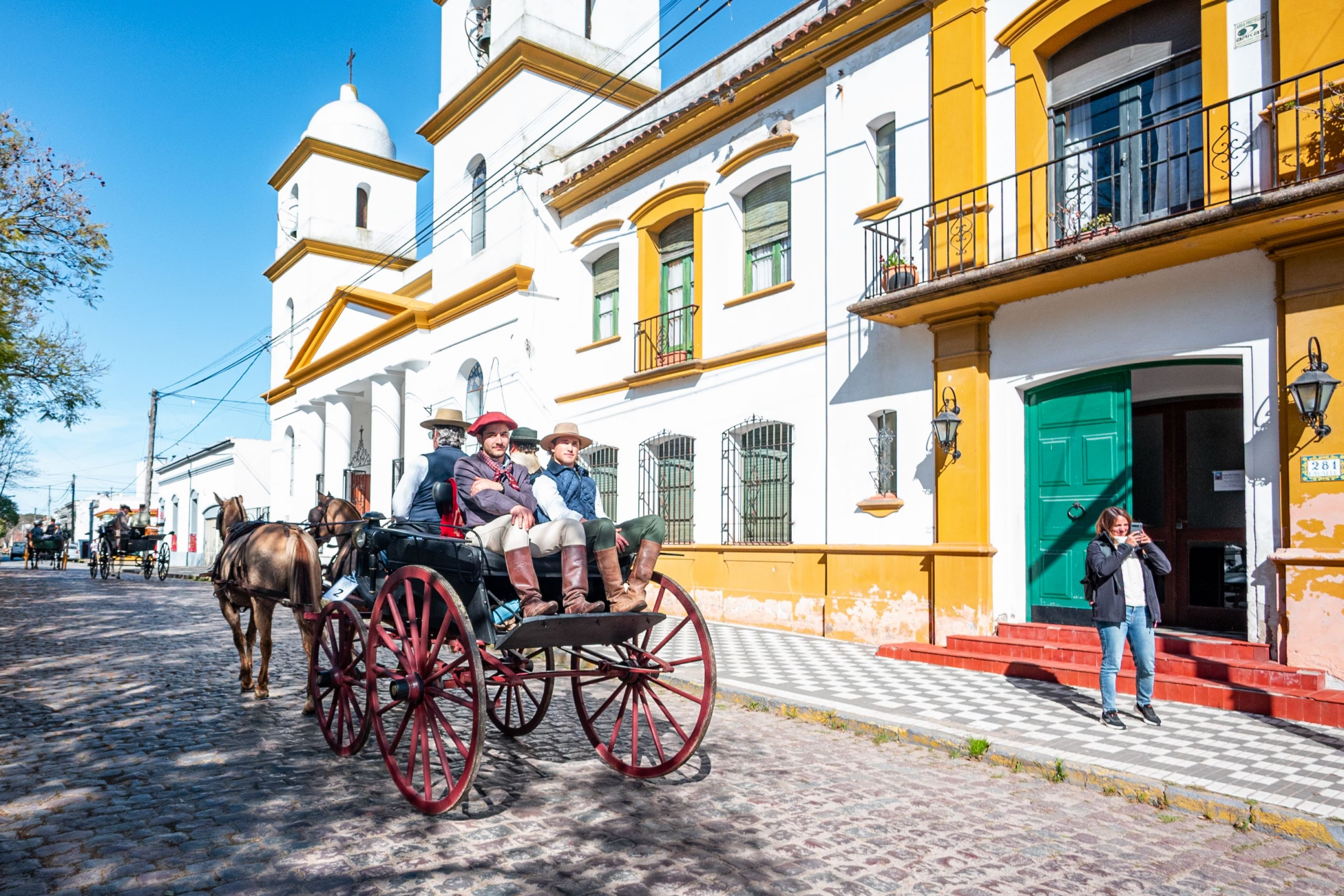
Córdoba is a historic and cultural gem known for its UNESCO-listed Jesuit heritage, colonial architecture, and vibrant university atmosphere. Less crowded than Argentina’s major tourist hubs, it offers an authentic blend of history, culture, and relaxed city life.
5. El Calafate & Los Glaciares National Park
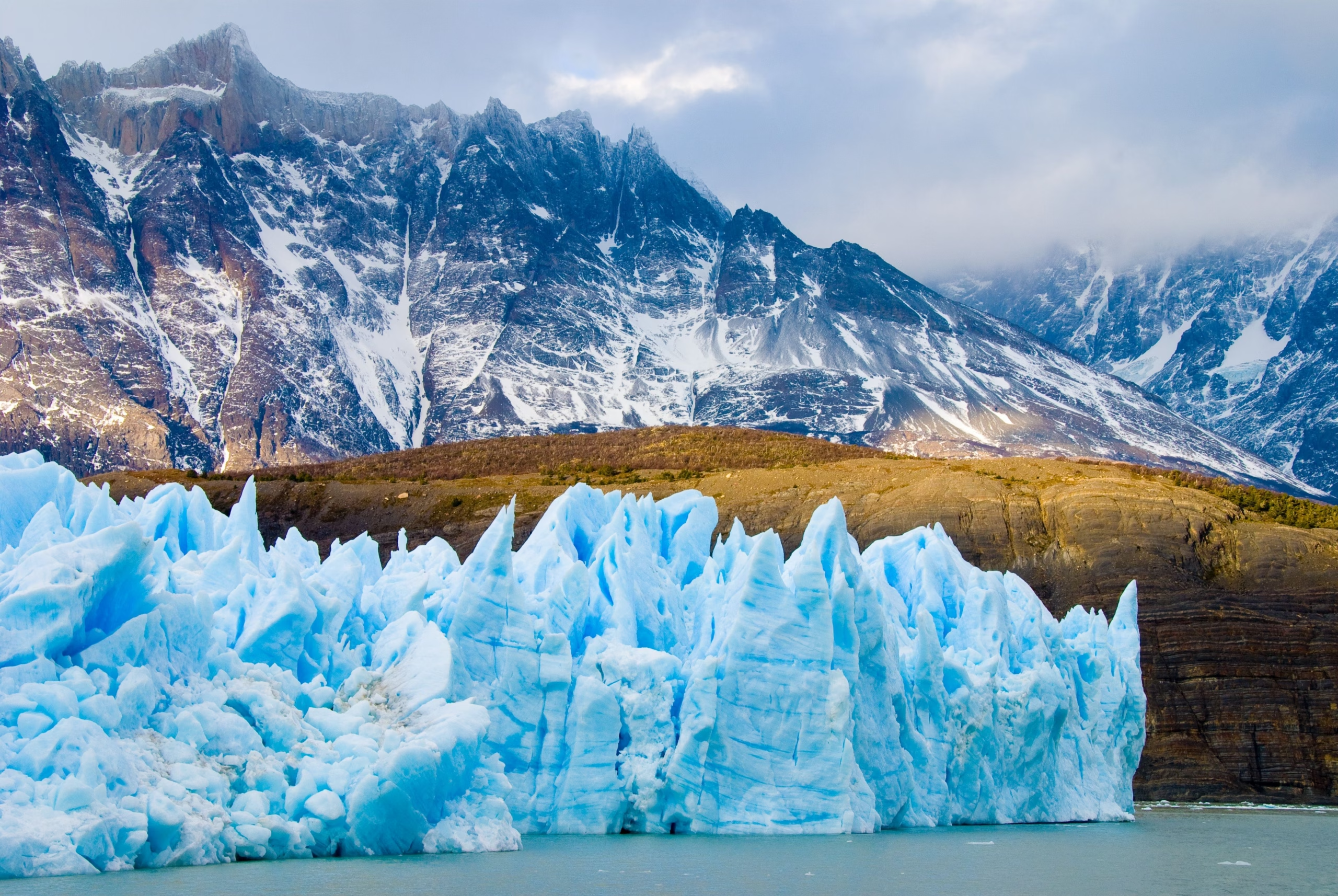
El Calafate is the gateway to the spectacular Los Glaciares National Park, home to the world-famous Perito Moreno Glacier. Surrounded by dramatic icefields, mountains, and pristine lakes, it is one of Patagonia’s premier destinations for breathtaking natural scenery and outdoor adventures.
6. El Chaltén
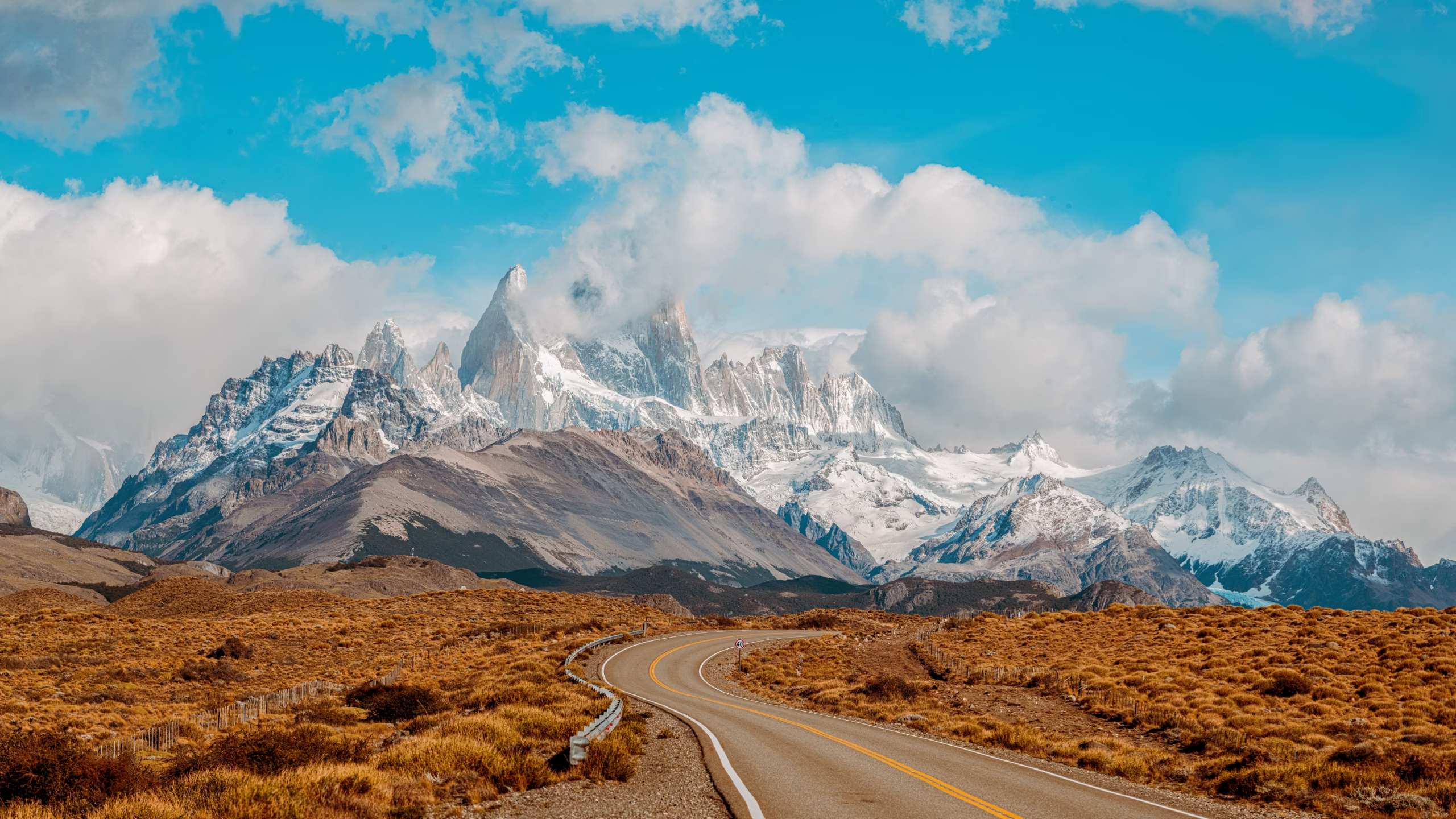
Widely regarded as Argentina’s hiking capital, El Chaltén is renowned for its spectacular mountain scenery, including the iconic Mount Fitz Roy. With trails for all experience levels and stunning Patagonian landscapes, it is a must-visit destination for nature lovers and photographers.
7. Esteros del Iberá
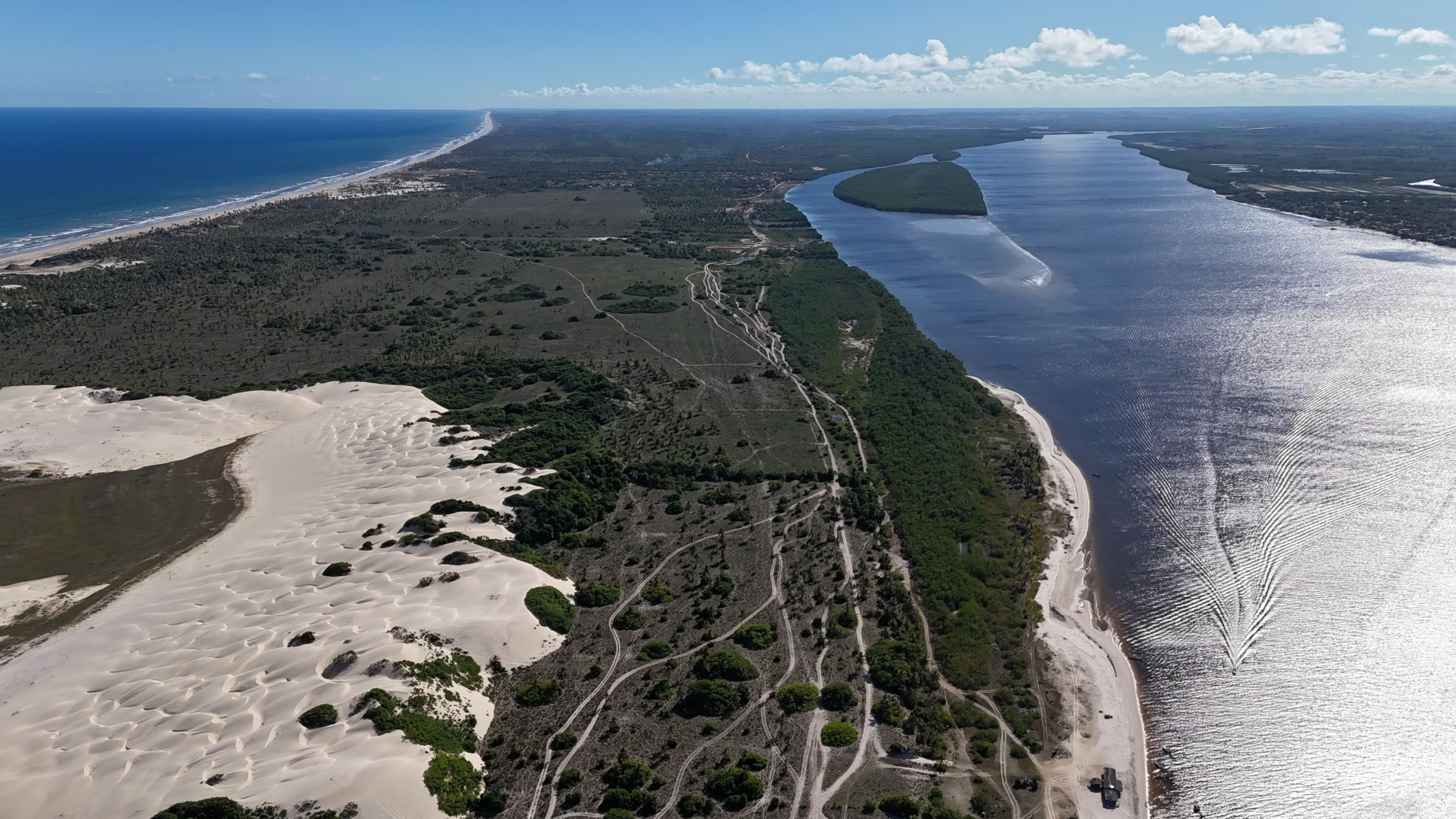
One of South America’s largest wetland ecosystems, Esteros del Iberá is a haven for wildlife enthusiasts. Home to capybaras, caimans, marsh deer, and hundreds of bird species, it offers an unforgettable eco-tourism experience in one of Argentina’s most important conservation areas.
8. Iguazú Falls
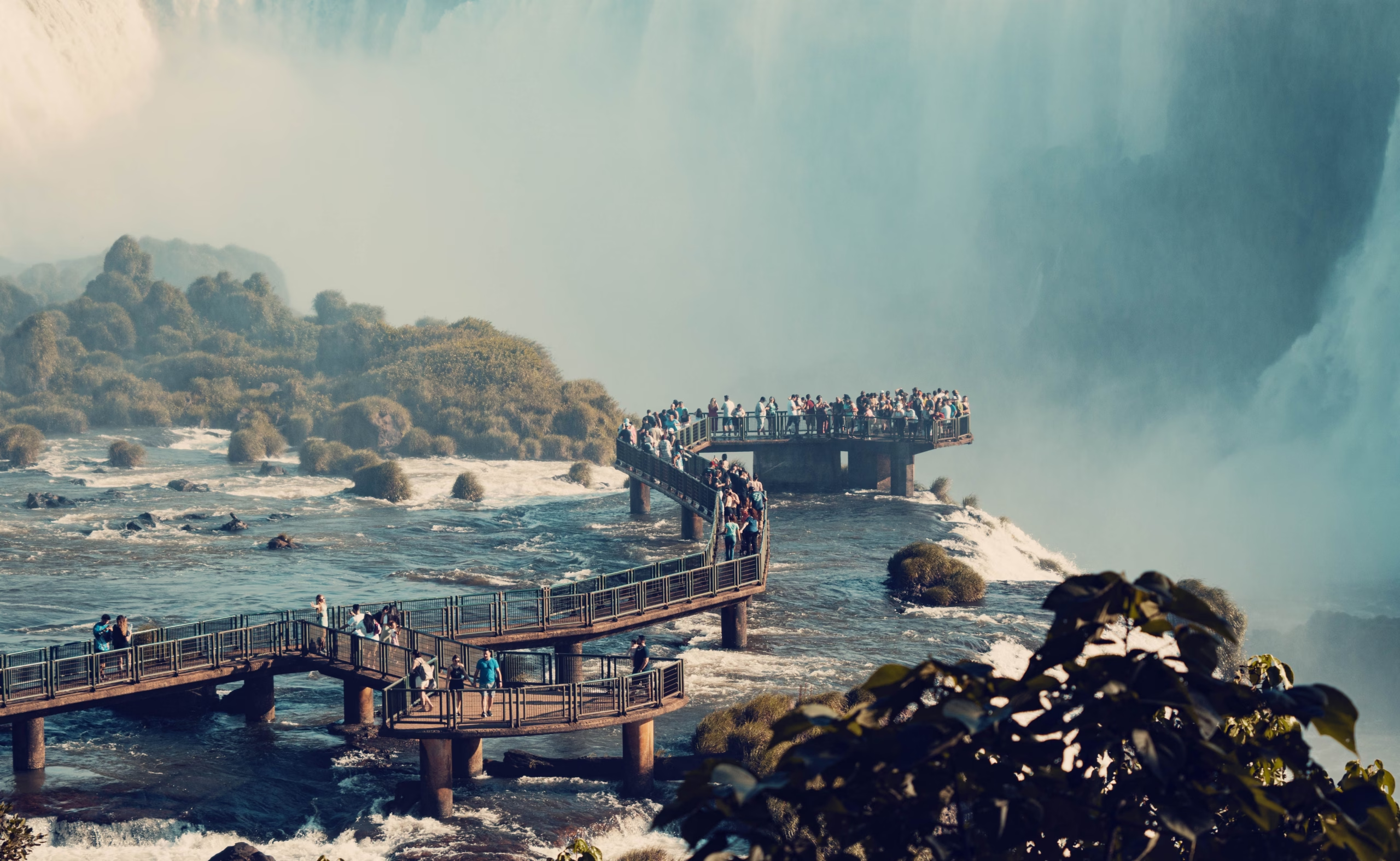
A UNESCO World Heritage Site, Iguazú Falls is one of the world’s most spectacular natural wonders. Featuring hundreds of cascading waterfalls surrounded by lush rainforest, it delivers an unforgettable combination of breathtaking scenery, diverse wildlife, and exceptional walking trails.
9. Mendoza
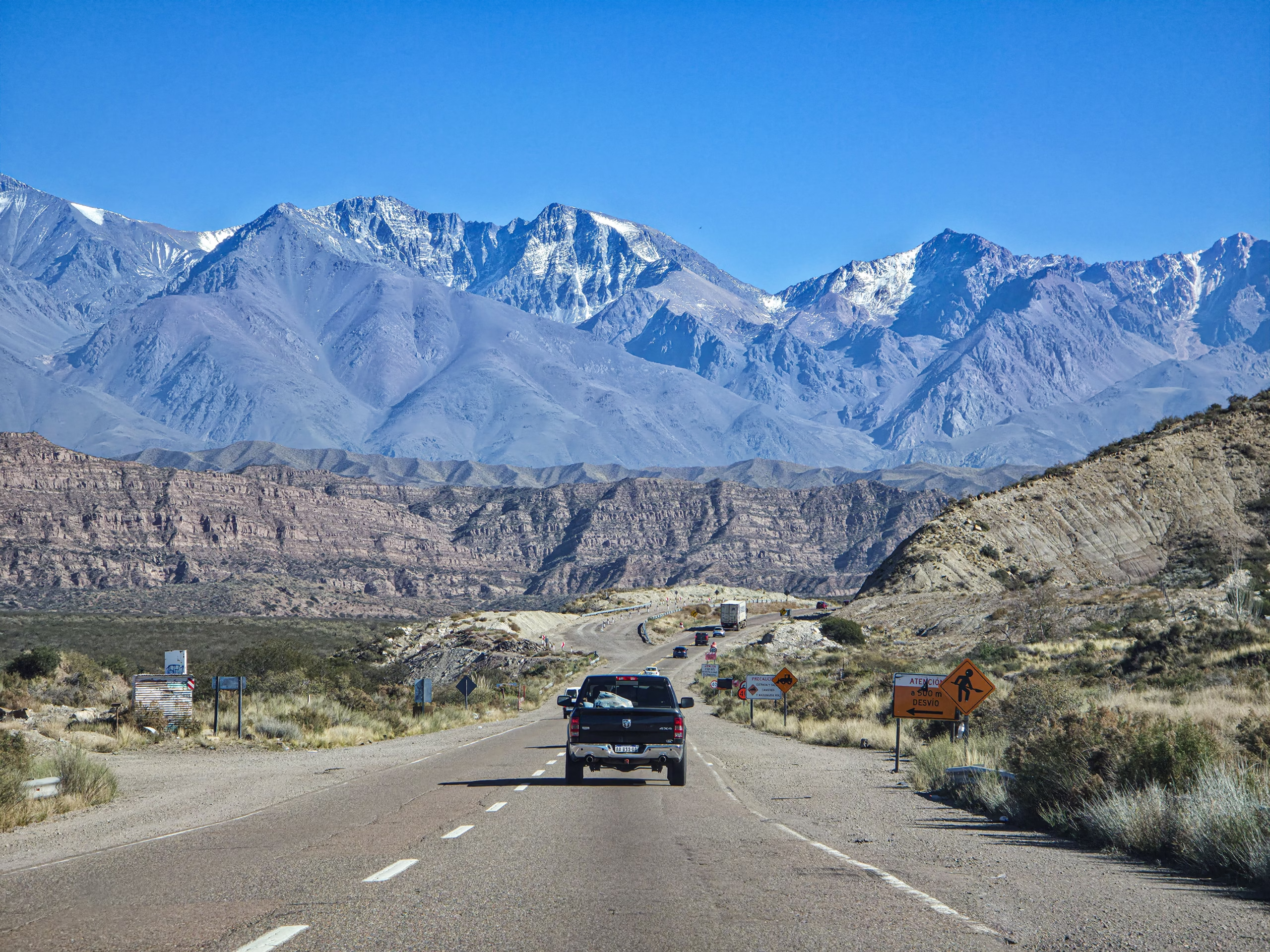
Set against the foothills of the Andes, Mendoza is Argentina’s premier wine region, celebrated for its renowned Malbec vineyards, outstanding cuisine, and stunning mountain scenery. It’s an ideal destination for wine lovers, outdoor adventurers, and anyone seeking a relaxed yet memorable getaway.
10. Península Valdés & Puerto Madryn
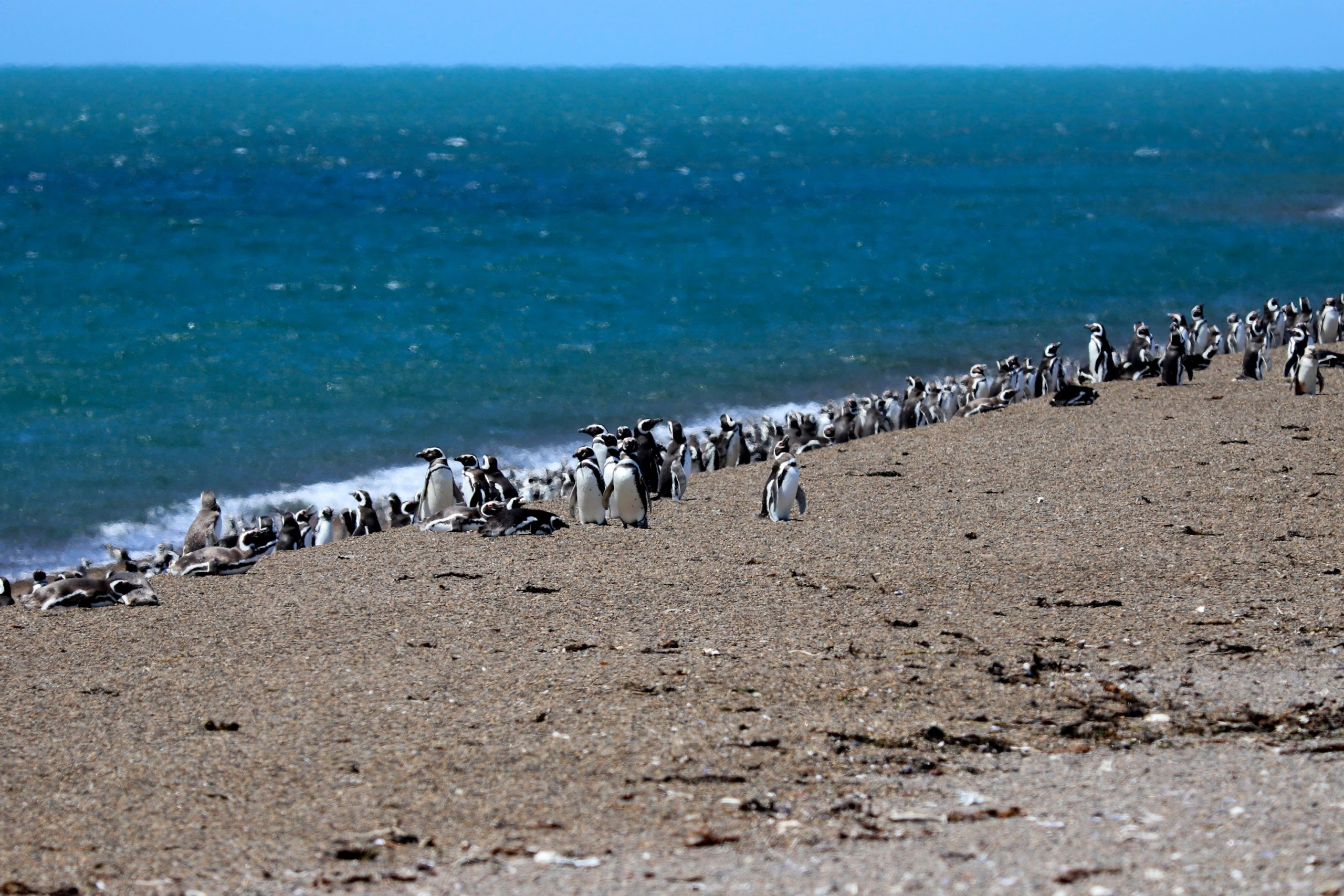
Península Valdés is one of Argentina’s top wildlife destinations and a UNESCO World Heritage Site, famous for seasonal whale watching and abundant marine life. With opportunities to see penguins, sea lions, elephant seals, and orcas, it offers an exceptional nature experience on Argentina’s Atlantic coast.
Safety Considerations & Resources for Solo & Female Travelers
While the vast majority of visits are hassle-free, street harassment (commonly referred to locally as piropos) can occur, primarily in high-density urban areas. Argentina has implemented specific legal frameworks and public reporting channels to address gender-based violence and harassment.
Emergency & Support Contacts
- Gender Violence Support Line (Line 144): A dedicated, confidential toll-free hotline operating 24/7. It provides guidance and assistance for women facing harassment or gender-based violence (also accessible via WhatsApp).
- Urban Harassment Reporting (Buenos Aires): Incident reports for street harassment in the autonomous city of Buenos Aires can be submitted via SMS to 22676 (keyword: ACOSO).
- Specialized Police Units: Major metropolitan areas, including Buenos Aires, maintain specialized women’s police stations (Comisaría de la Mujer) with personnel trained to handle gender-based incidents.
Recommended Precautions
- Nighttime Logistics: Avoid walking alone through dimly lit or unpopulated areas late at night. Utilize vetted ride-hailing applications or registered radio-taxis for night transit.
- Property Security: Carry personal items in secure, zip-closed bags (such as cross-body bags) positioned toward your front, especially in high-density areas or public transport.
Safety Considerations & Resources for LGBTQIA + Travelers
Argentina was the first Latin American nation to legalize same-sex marriage and possesses comprehensive gender identity laws. Cities like Buenos Aires are international hubs for LGBTQIA+ tourism and culture. However, social norms can vary significantly outside major metropolitan areas.
Regional Dynamics & Social Norms
- Urban vs. Rural Environments: Cosmopolitan hubs such as Buenos Aires, Mendoza, and Bariloche are highly accepting. Conversely, rural, interior, and northern provinces tend to hold more traditional or conservative views, where discreet public displays of affection may prevent unwanted attention.
- Accommodations: While urban hotels are broadly inclusive, travelers booking in smaller towns or rural areas may want to confirm bed configurations in advance to avoid minor administrative friction upon check-in.
Key Events & Large Gatherings
- Buenos Aires Pride (Marcha del Orgullo): Held annually in November, the event attracts hundreds of thousands of participants and is widely celebrated.
- Event Safety: High-density public gatherings and parades inherently present an elevated risk for opportunistic pickpocketing and device theft. Travelers attending large celebrations should secure smartphones, minimize carried valuables, and designate clear meeting points with travel companions.
Buenos Aires Neighborhood Risk Profiles & Urban Safety Guide
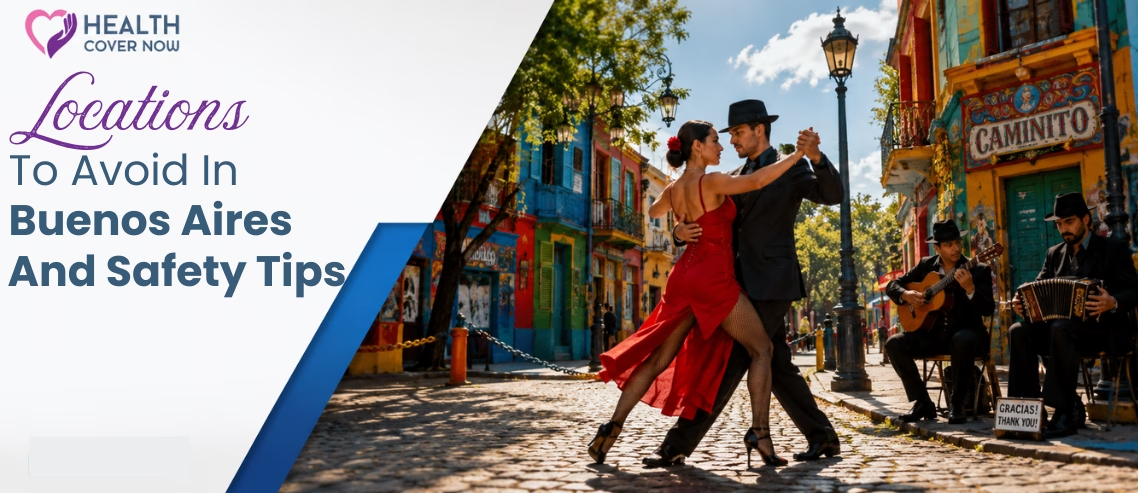
Buenos Aires is widely considered one of Latin America’s most accessible capitals, benefiting from a low overall rate of violent crime relative to regional standards. However, property crime including pickpocketing, bag snatching, and opportunistic theft remains prevalent. Maintaining localized situational awareness is essential, as high-risk areas often border major tourist hubs and upscale districts.
Neighborhood-Specific Safety Analysis
High-Density Tourist & Commercial Zones
- Palermo: A major dining and nightlife hub. While generally safe, its high density of distracted visitors creates prime opportunities for smartphone and bag theft, particularly in outdoor cafes, bars, and crowded plazas.
- San Telmo & Montserrat: Known for historic architecture and weekend markets. High-density pedestrian areas and narrow side streets are common operational zones for pickpockets and distraction schemes.
- Puerto Madero: An upscale waterfront commercial district with low crime rates during the day. Caution is advised late at night, as reduced foot traffic makes pedestrians more vulnerable to targeted theft.
Targeted Caution & Restricted Zones
- La Boca (El Caminito): A high-profile cultural area that requires strict geographical boundary control. The primary tourist corridor (El Caminito) is heavily patrolled during daylight hours. However, straying even a few blocks outside this designated perimeter, or remaining in the area after dark, poses significant safety risks due to localized gang activity and street robbery.
- Informal Settlements (Villas Miséria): High-risk informal neighborhoods characterized by elevated crime rates and gang presence. These areas should be strictly avoided.
- Villa 31: Directly abuts the main Retiro train and bus stations, meaning transit travelers can inadvertently wander into its perimeter.
- Villa Lugano & Villa Soldati: Located in the southern periphery of the Autonomous City of Buenos Aires, these residential industrial areas lack tourist infrastructure and exhibit higher rates of violent crime.
Statistical Overview & Risk Profile
- Petty Crime Prevalence: Opportunistic theft remains the primary concern for international visitors. Public transit hubs, open-air markets, and sidewalk dining venues account for the majority of reported property incidents.
- Violent Crime Index: Serious violent crime against tourists remains relatively rare. Argentina’s national homicide rate is among the lowest in Latin America, though localized crime rates vary sharply between formal neighborhoods and informal settlements.
Core Operational Precautions
- Boundary Management: Stick strictly to primary, well-lit thoroughfares in historic areas like La Boca and San Telmo.
- Transit Awareness: Exercise heightened vigilance at the Retiro transit complex; use internal station routes and avoid walking toward the northern perimeter adjacent to Villa 31.
- Dining Security: Keep bags on your lap or looped around a leg never hang purses on chair backs or leave mobile devices unattended on tables
Operational Guidelines for Navigating Higher-Risk Urban Zones
While Buenos Aires offers rich cultural experiences across its diverse districts, exploring elevated-risk areas such as La Boca or peripheral neighborhoods like Villa Lugano requires heightened security awareness and deliberate planning. Adhering to the following risk-mitigation protocols will significantly enhance personal safety while navigating these locations.
Strategic Pre-Travel Considerations
1. Daylight Boundary Controls
Conduct all visits to higher-risk areas strictly during daylight hours. In neighborhoods like La Boca, confine movement exclusively to heavily patrolled, primary pedestrian corridors such as El Caminito. Plan your departure well before sunset, as security conditions in these areas deteriorate significantly after dark.
2. Vetted Local Escorts
When visiting culturally significant yet security-sensitive districts, engage licensed local tour operators or professional guides. Local expertise ensures adherence to safe routes, provides situational context, and minimizes accidental entry into high-risk side streets.
3. Point-to-Point Transportation Protocols
Avoid walking into or out of higher-risk neighborhoods. Secure point-to-point transit using established ride-hailing applications (such as Uber) or pre-arranged radio-taxis directly to and from your specific destination. Street-hailing or on-foot transit between adjacent districts should be avoided.
Tactical On-Site Precautions
- Low-Profile Profile Management (Low-Profile Appearance): Minimize indicators of wealth. Conceal high-value electronics, luxury watches, and jewelry. Keep smartphones secured inside pockets or bags rather than holding them in open view.
- Property Containment: Carry backpacks on your front in high-density areas. Opt for secure, cross-body bags with reinforced straps and internal zip compartments to mitigate rapid snatch-and-grab attempts.
- Situational Awareness: Maintain active spatial awareness and project confidence. Avoid reviewing maps, texting, or handling physical currency while standing in public thoroughfares; step inside a secure commercial establishment to reorient if necessary.
Frequently Asked Questions
Is Argentina safe for tourists?
Yes. Argentina is generally considered a safe destination for tourists, expatriates, and business travelers, particularly in well-known cities and popular tourist regions. However, as with many major travel destinations, opportunistic crimes such as pickpocketing, bag snatching, and mobile phone theft can occur in crowded public areas. Staying aware of your surroundings, securing your valuables, and using common-sense precautions will help you enjoy a safe and enjoyable visit.
What safety precautions should I take when visiting Argentina’s national parks?
Argentina’s national parks offer spectacular scenery, but many are located in remote areas where mobile phone coverage and nearby medical facilities may be limited. Before your trip, check local weather conditions, carry sufficient water, sun protection, appropriate clothing, and a basic first-aid kit. It’s also advisable to plan your transportation in advance, remain on designated trails, follow park regulations, and inform someone of your travel itinerary when exploring isolated locations.
Is Argentina safe for solo female travelers?
Argentina is widely regarded as one of the safer countries in South America for solo female travelers. Nevertheless, it’s advisable to take sensible precautions, such as avoiding poorly lit or isolated areas after dark, using reputable transportation services, keeping personal belongings secure, and remaining aware of your surroundings. Choosing accommodations in well-established neighborhoods and familiarizing yourself with local emergency services can also contribute to a safer and more comfortable travel experience.
Conclusion
Argentina is a fascinating destination that offers an exceptional quality of life for expats, retirees, digital nomads, business professionals, and travelers alike. While most visits are safe and enjoyable, taking sensible precautions, staying aware of your surroundings, and preparing for local conditions can significantly reduce potential risks. With the right planning, you can confidently experience Argentina’s vibrant culture, stunning landscapes, and world-class attractions.
If you’re planning to relocate to Argentina or spend an extended period abroad, securing the right international health insurance is just as important as preparing for your journey. Having comprehensive coverage can provide access to quality private healthcare, financial protection against unexpected medical expenses, and valuable peace of mind wherever life takes you.
At Health Cover Now, Richard Yates is a Licensed International Health and Medical Insurance Broker with nearly 20 years of industry experience. He provides independent, unbiased advice and compares plans from more than 25 leading international health insurers to help expatriates, families, retirees, digital nomads, and businesses find coverage that matches their healthcare needs, lifestyle, and budget.
If you want more information on the topic or would like to receive some advice, please contact us here at info@healthcovernow.com